
What’s the Difference Between Torsion Springs and Extension Springs?
What’s the Difference Between Torsion Springs and Extension Springs?
You likely know that your springs are among the most important elements of your garage door system. If your garage door is not opening or closing correctly, it’s very often that a broken or worn out spring is the culprit.
If you’ve heard people talk about garage door springs before, you’ve most likely heard them called either torsion springs or extension springs. These are two different types of garage door springs — but what’s the difference, and which one is better?
Torsion Springs vs. Extension Springs
Torsion springs are large springs you will find in a shaft above your garage door. Extension springs are smaller springs attached to the sides of your garage door. Most doors will have one of these types of garage door springs— you would never have both types of spring on the same door, however, smaller garage doors (8×7 or 9×7) only have one spring.
When you open or close the door, if you have torsion springs, they wind or unwind to lift or lower your garage door. Extension springs fully expand or contract when opening or closing the door.
Learn More About Garage Door Spring Replacement
Which Are Better, Torsion Springs or Extension Springs?
In general, we prefer torsion springs to extension springs, for a number of reasons. One, even though torsion springs tend to be more expensive, they usually last twice as long, so you get a better value. Torsion springs tend to open and close your door in a more controlled motion as well. Extension springs usually operate with a jerky motion, and this puts more wear and tear on the springs with each use.
Extension springs also tend to require a bit more maintenance than torsion springs, as they have a more complicated apparatus, and it’s not as easy to get to all the areas you might need to lubricate. Additionally, if a torsion spring snaps, it can make a scary noise, but it usually stays on the shaft. If an extension spring snaps, it could fly off. This is why it’s important to have regular professional garage door maintenance to make sure your springs are in good shape.
Should I Choose Torsion Springs or Extension Springs?
So why would you use extension springs? They do have their advantages. In addition to being less expensive, extension springs are useful if you do not have a lot of overhead space in your garage for a torsion spring system. Extension springs will certainly do the job, and they are generally safe when you maintain them properly. If you’re not sure which type of springs you have or which kind you should get, ask your garage door professional.
For more information about torsion springs, extension springs, scheduling garage door maintenance or other garage door-related issues in the Spokane, Washington or Northern Idaho areas, please visit us today at Continental Door Company.
Request Garage Door Spring Replacement or Service
Upgrade Your Garage Door, Update Your Home: 7 Reasons Replacing Your Garage Door Is a Great Investment
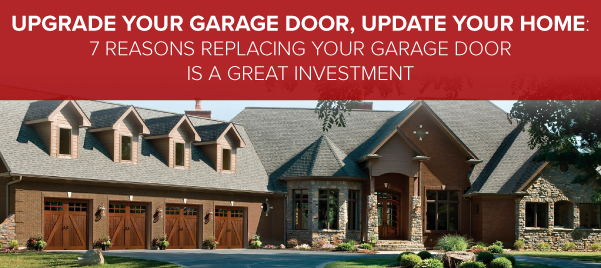
Many homeowners are wondering about simple, affordable and worthwhile investments they can make to upgrade their homes. Some homeowners look for ways to update the look of their home, increase their home value, add new features or improve the functionality and efficiency of their homes. For other families, improving safety and security are paramount.
No matter your reason for making home improvements, you’ve likely considered the best way to get a return on investment. You want to make sure any renovations you commit to are going to be financially feasible, especially if you’re going to be putting out a fairly substantial payment upfront.
There are a few common home improvements experts recommend that earn a great return on investment. Typically, these are kitchen and bathroom upgrades. However, if you aren’t careful, these types of projects can quickly go over budget or take much longer than expected to complete. Other experts recommend investing in landscaping and exterior improvements to enhance curb appeal and improve the resale value of the home.
However, there’s a significant, yet often overlooked home improvement task that’s easy and financially affordable for homeowners — replacing the garage door.
Request ServiceReasons to Replace a Garage Door
Upgrading your garage door accomplishes many home improvement goals. In addition to being a home improvement project with a great ROI, a new garage door helps save money over time by being one of the top energy-efficient home improvements owners can make. There’s an additional financial incentive to replacing a garage door. Because new garage doors improve energy efficiency, homeowners who upgrade their garage doors may be eligible for various rebates and tax credits at federal, state and local levels as well as through private companies.
For families with young kids or anyone living in urban areas, upgrading your garage door has another all-important benefit — increasing your home’s security. That is one investment outcome you simply can’t put a price on.
There are countless reasons to invest in a home improvement like replacing your garage door. While they seem virtually endless, we’ve narrowed it down to seven key reasons to replace your garage door:
- Improve the curb appeal of your home
- Increase your home’s resale value
- Earn a great return on investment (ROI)
- Reduce your home’s heating and cooling costs
- Lower your maintenance costs on old garage doors
- Improve your home’s security
- Offset your investment through tax credits and rebates
Read on to learn how each of these seven reasons for upgrading your garage door can help improve your home’s curb appeal, value, energy efficiency and home security — and why it’s worth your investment in time and money.
Improve the Curb Appeal of Your Home
Imagination and budget are the only limitations when it comes to opportunities to enhance your home’s curb appeal. Updating your home’s exterior is important, especially in older homes. Not only does it help make the home look better overall, but it also shows that as the owner you care about your property, and you’re taking good care of it.
There are countless ways to update your home’s exterior. You can repaint and reside your home or invest in professional landscaping. These will help update the look of your home, but don’t offer the extensive list of benefits that a garage door upgrade does.
A garage door upgrade is an inexpensive way to update your home’s exterior while producing measurable ROI. You can give your home an entirely new look with a modern garage door that will provide plenty of additional benefits — that’s not something a fresh paint job can claim.
If attached, garages account for a large part of the visual design of the home’s exterior. With an element as substantial as a garage door that takes up one-third of the front view of the home, it’s important to make sure it looks high-quality and adds to the home’s style instead of detracting from it.
In order for your garage door to enhance your home’s curb appeal, you need to:
- Modernize your home’s look
- Remove an unsightly, old garage door
- Install a garage door in a color that complements your home
- Select from endless styles and design ideas that add to your home’s character
- Choose a new garage door material and finish
- Add decorative details like handles and hinges
- Add windows for extra interior light and exterior charm
Re-siding, repainting and landscaping are sizeable undertakings. These types of exterior home improvements may take several days or months to complete. A new garage door installation can be completed in a single day, saving you from the hassle of extensive home renovations that often run over schedule and budget. With a garage door upgrade, you’ll see a substantial improvement in your home’s curb appeal immediately.
Increase Your Home’s Resale Value
Your home’s value is based on many different factors. Some are factors you can’t control, like your location, the homes in the area and the overall market health. But some of the factors that affect your home’s value are within your control. You can control the upkeep of your home, its overall appearance and the upgrades you invest in.
Replacing an outdated garage door with a new, high-efficiency and modern garage door can instantly add value to your home’s sale price. Garage doors have also shown to retain their value compared to many other conventional household renovations.
In fact, real estate investment experts have established that garage door replacements result in a greater increase in home value compared to some more time-consuming and expensive remodeling projects. One survey showed 70% of homeowners felt a garage door improved the value of their home.
Garage doors are also easier remodeling projects to undertake than other renovations that are proven to increase home value. Professionals can install a new garage door in less than a day in many cases. This frees up your time compared to remodeling projects that require your design input, sign-off and continued communication.
You can’t overlook the fact that a new, modern garage door makes a great first impression when buyers pull up to your house. If you’re looking to increase your home’s resale value and sell your home faster, upgrading your garage door can catch a buyer’s attention and help close the deal quickly.
Earn a Great Return on Investment
When considering ways to improve your home’s value, security, curb appeal or energy efficiency, you need to be smart about how you invest your money. A smart investment is one that requires minimal upfront costs, retains its value and works for you in the long-run. Investing in remodels requires homeowners to weigh the costs of the project with the benefits it will produce.
We’ve already seen how a garage door replacement can add value to your home when you go to sell it. But what if you aren’t planning on selling your home anytime soon? Garage doors are still a smart and worthwhile long-term investment.
In addition to helping to add value to your home, garage door upgrades are one of the top home improvement projects with a great return on investment. Here’s why garage door upgrades have a great ROI:
- They retain their value. According to Remodeling Magazine, garage door replacements are one of the smartest upgrades a savvy homeowner can make. The average garage door replacement project retains up to 88.4% of its value. Based on a national average, a garage door replacement job costs $1,595. At resale, the garage is still worth an impressive $1,410. In the Pacific region, a garage door replacement recoups its cost and then some with a value of 110% at resale. The initial job costs an average of $1,756 in the Pacific region and is worth $1,929 at resale.
- They help cut energy costs. If one of your goals is to find ways to reduce heating and cooling expenses at home, then choose a new garage door installation. Many brands of garage doors, including ones from Clopay®, provide energy-efficient solutions. Energy-efficient garage doors prevent heat or cold loss and gain, which cuts back on the unnecessary use of your heating and cooling system. By improving energy efficiency, you can lower your energy costs right away and start earning a return on your garage door investment.
- They provide rebates and credits. In addition to cutting down on monthly bills, garage door upgrades can earn you tax credits and rebates. When you factor this income into the overall costs of the garage door installation, your total investment amount decreases and your payback period shortens.
Looking at the same data from Remodeling Magazine, garage door upgrades are in the top two of remodeling projects that earn a return on investment. Garage replacements beat out bathroom remodels, roof replacements, kitchen updates and siding replacements. The only other remodeling project that had a better return on investment was replacing the entry door with a steel door.
Reduce Heating and Cooling Costs
As a homeowner, you know operating and maintaining your household can be expensive. That’s why many families look for ways to save on their monthly bills. Reducing household expenses requires that homeowners look at opportunities to improve energy efficiency.
One of the best ways cut back on energy costs is to tighten up your home’s building envelope. Ensuring your home is properly sealed prevents expensive heat from escaping during the winter months. It also means that during the colder months, you won’t be air conditioning the outdoors. With proper sealing and insulation, you can prevent heat and cold loss and gain year-round.
Experts are quick to recommend homeowners look at their attached garages as a primary culprit of heat loss and gain. After all, a garage door is the largest opening to your home with the greatest potential to allow hot or cold air to enter. Unless upgraded, most older garages aren’t properly sealed or insulated. By insulating your garage walls and installing an energy-efficient garage door, you can save on energy bills.
Energy-efficient garage doors help with climate control. Garage doors achieve this based on the type of insulation they’re constructed with. The thickness and density of the insulating material also contribute to a garage door’s ability to prevent heat flow. The more heat-resistant an insulating material is, the higher its “R-value”. Well-insulated garages are important in colder climates, especially if you use your garage as a work space or studio. Not only does climate control make your workplace more enjoyable, but it also protects your contents from possible damage due to heat and cold.
Another way garage doors help with climate control is by preventing air leaks. Energy-efficient garage doors mitigate the potential for air to pass through the space between the door itself and the garage’s door frame. This is done through skillful engineering that ensures the strong perimeter lasts. If your garage door has windows, it’s important to ensure they’re energy-efficient, have proper weatherproofing and don’t allow for air leaks.

Lower Your Maintenance and Repair Costs on Old Garage Doors
When you own an older home, you can expect to set aside a portion of your budget for maintenance and repair costs. Plus, there’s the added cost in the time required to regularly examine different elements of your home for wear and tear or any glaring issues. Old garage doors typically fall into this category. Because they’re mechanical products, the older they get, the more they wear out — especially if they weren’t properly maintained by previous owners.
A garage door opens and closes an average of 1500 times per year. With that level of use, it’s no wonder garage doors in older homes start to show their age. Garage doors may start to malfunction or just stop running as smoothly as they once did. This requires ongoing inspection and attention to keep them operating properly.
An improperly functioning garage door can even be dangerous. A common issue with older garage doors is that the track isn’t aligned correctly because the rails are bent or there are gaps between the rollers and rails. The weight of the door adds further stress to the track until eventually, it becomes a hazard.
You can try to remedy the problem yourself. Hiring a garage door repair professional is the safer option, but it’s also an added and expensive cost. At that point, you’d have to decide whether it makes more sense to repair or replace your garage door.
Today’s generation of garage doors are engineered to last. A high-quality garage door can last up to 30 years with proper preventative maintenance. By installing a new garage door when your old one wears out, you can cut back on ongoing repair costs and maintenance time, not to mention safety risks. Eco-friendly garage doors have the added benefit of being made from extremely durable materials, which extends the life expectancy of the product.
Improve Your Home’s Security
Home technology has come a long way in the past 15 years. With alarm and alert technology, today’s homeowners can always know exactly what’s going on in their homes. This gives homeowners the peace of mind in knowing that while they’re on vacation or at work, their home will be safe.
Everyone has the right to feel safe in their own home. Unfortunately, many older homes lack the same level of security that newer homes have today. Old doors and windows compromise your home, giving experienced burglars easy access points through which to intrude.
One of the ways burglars can gain entry into a home is through the garage. Roughly 9% of people surveyed about break-and-enters in their homes claimed the burglar entered through the garage door. There are a few reasons that make it possible for intruders to breach old garage doors:
- An aging garage door doesn’t lock as firmly. With the right tools, a burglar can easily manipulate an old door lock or pry open the door.
- The motors in old garage doors wear out. This makes it much easier to lift the garage door from the bottom.
- Old garage doors have outdated technology. It’s possible that someone else has a garage door opener with the same frequency as yours. If a thief were to obtain an opener, they could use it to find random homes that matched its frequency.
You won’t have to worry about these security risks with a new garage door. Today’s garage doors are reinforced, lock firmly and can be integrated into a home’s existing security system.
For an added sense of safety, new technology allows homeowners to be in control of their garage doors. How many times have you left the house and wondered whether you left the garage door open? Garage door manufacturers like LiftMaster use smart technology to deliver real-time alerts letting homeowners know when their garage door is open. Smartphone apps also let homeowners control their garage doors remotely.
Your family’s safety is your top priority, and a new garage door can help protect your home so you can sleep better at night.
Offset Your Investment Through Tax Credits and Rebates
All homeowners want their upgrades to make sense financially. Fortunately, several incentive programs encourage homeowners to invest in energy-efficiency home improvements. These rebates, tax credits and other incentive programs are available at a local, state and federal levels. Private companies also offer rebates and credits to their customers.
Incentives help make it more affordable for homeowners to choose the best energy-efficient garage door for their home. It also gives homeowners more options because they know they’ll be getting cash back or an income tax deduction. Here are some of the types of incentives available to Idaho and Washington homeowners:

- Federal–Residential Energy Conservation Subsidy Exclusion (Personal): This federal financial incentive is available for homeowners investing in upgrades designed to reduce energy consumption or manage energy demand at home. This program is a 100% subsidy program.
- Idaho–Income Tax Deduction for Energy Efficient Upgrades: Homeowners in Idaho can benefit from a statewide income tax deduction program on energy-efficient home improvements, including adding new building insulation, caulking and weather-stripping, such as through the installation of an energy-efficient garage door. This is a 100% credit on costs of materials and labor on homes constructed before 2002.
Choose Continental Door Company
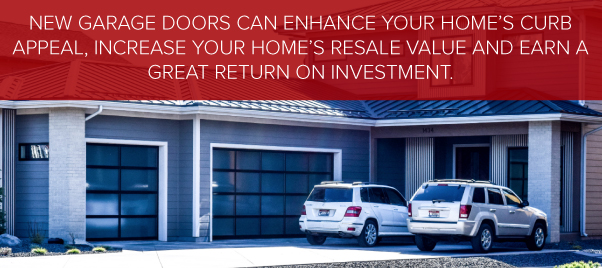
If you’re looking for ways to improve the value of your house, make your home look new or reduce heating and cooling expenses, consider replacing your garage door. New garage doors can enhance your home’s curb appeal, increase your home’s resale value and earn a great return on investment. Your choice of garage doors is endless. With high-tech, energy-efficient garage doors, you can reduce your home’s energy consumption and rest assured the door will remain tightly secured.
Right now, Clopay customers are eligible to win $1000 in the Clopay ImagineNATION Makeover Contest. Submit your before-and-after photos of your Clopay garage door makeover. Visit Clopay to enter the contest before the December 31, 2017, deadline.
Contact Continental Door Company today for more information on replacing or upgrading your garage door. If you’d like to know more about a garage door installation project, reach out to us or stop by our showroom. Our garage door installation experts are looking forward to helping you choose the garage door of your dreams.
Contact us online or by phone at 509-921-2260. You could also visit our showroom Monday through Friday from 7 a.m. to 4 p.m., or make an appointment for a Saturday showing. We’re located at 12718 E. Indiana Ave., Spokane Valley, Wash.
Contact UsHow to Balance Your Garage Door
How to Balance Your Garage Door
If your garage door isn’t sitting right, you may need to balance it. An unbalanced garage door can put a strain on the door’s system as well as create a potential safety issue, so it’s important to take care of your balance issue as quickly as possible. If you’re not sure whether or not you need to balance your garage door — or how to do it if you need to — read on!
Do I Need to Balance My Garage Door?
To see if you need to balance your garage door, simply lift the garage door a little more than halfway and release it. It should come to rest between three and four feet above the ground. If it stops lower or higher than this range, you need to balance the door.
How to Balance the Extension Spring on Your Garage Door
Use a step ladder to hold the door open and take pressure off the door spring. You will then move the spring depending on where the door needs balance. MAKE SURE THE SPRING IS FREE OF TENSION BEFORE REMOVING. If the door is going down too far and too quickly, move the spring one higher hole on the bracket. If it is going up too far and too fast, move the spring down one on the bracket. Adjust springs on both sides of the door so they are parallel to each other.
Once this is done, test the door again to see if it you have balanced it. If not, go through the procedure again until you achieve balance. Once you are satisfied, close the door and use a level to make sure the door is hitting the ground evenly on both sides. If it is not, adjust the spring tension.
Caution: many doors are now made with torsion springs, which can be very dangerous if not handled correctly. Please contact us immediately if you are experiencing problems with a torsion spring and our experienced team will be happy to assist you! To see if your door uses an extension or torsion spring, please visit the Clopay Garage Door Springing Systems guide.
Consult Continental Door for More Assistance
If you’re in or around Spokane, WA, Northern Idaho or the surrounding areas, Continental Door can help you with any of your garage door issues. If your attempt to balance the garage door is unsuccessful, get in touch with us and we’ll come down and take care of it without a problem.
In fact, if you have a garage door balance problem, we recommend calling us right away. Any garage door maintenance, even simple procedures, can put you at risk of injury and void your garage door warranty.
At Continental Door, our trained experts can fix your problem fast and right, and inspect your door for other potential issues that we can take care of right away before they become an expensive problem. We’re ready and waiting to help you resolve your garage door maintenance and repair issues.
If you have any problem with your garage door at all, contact Continental Door today.
Request Garage Door Repair Now
What Is a Garage Door R-Value?
What Is a Garage Door R-Value?
One thing you may notice when comparing potential garage doors is the door’s R-Value. But what is a garage door’s R-Value — and how important is it when choosing a garage door?
R-Value, Explained
An R-value tells you the level of insulation a garage door provides. Thus, it’s only an issue if you’re seeking an insulated garage door.
There are many benefits to having an insulated garage door. For one, insulated garage doors, since they have that added layer of insulation, tend to be more durable and damage-resistant than non-insulated doors. Naturally, they also have energy-efficiency benefits, keeping heat in during the winter and keeping it out in the summer, reducing your heating and cooling costs.
How Does R-Value Work?
Specifically, R-Value is a measure of thermal resistance to heat flow, or how well the insulation prevents heat from penetrating. This is a factor of the chemical properties of the insulation as well as its thickness. The higher the R-value, the better an insulator your garage door is.
If insulating your garage is important to you, you should seek out garage doors with an R-value of at least 8, which represents a 90% heat flow reduction.
When comparing garage doors and R-values, however, it’s important to note that higher values represent only an incremental increase in heat flow reduction. A door with an R-value of 12 has only 3% greater thermal resistance than one with an R-value of 8. A garage door with an R-value of 16 has only a 2% greater thermal resistance than one with an R-value of 12. Once you go beyond R-value 16, gains are extremely small. A door with an R-value of 32 offers 97% heat flow reduction. A significant number, but only 2% greater than an R-value 16 door.
For this reason, while R-value is important when assessing an insulated door, it should only be one of several factors you weigh to decide whether a particular garage door is right for you.
Order Your Insulated or Non-Insulated Garage Doors From Continental Door Today
If you are looking for a garage door in the Spokane, Washington or Northern Idaho areas, Continental Door is an authorized Clopay® dealer of both non-insulated garage doors and insulated garage doors with R-values as high as 18 or even higher. We can help you choose the ideal door for your home and your family’s needs.
To learn more about the insulated Clopay® garage doors offered by Continental Door, please take a look at the following resource.
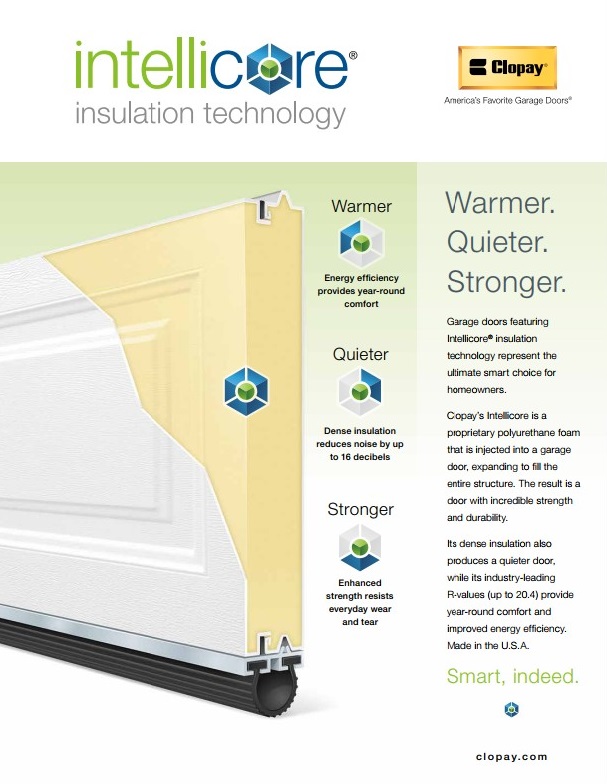
To learn more about the many quality garage doors we have to offer, give us a call at 509-792-3098, stop by our showroom at 12718 East Indiana Avenue, Spokane Valley, Washington, or contact us online today.
How Does a Garage Door Work?
How Does a Garage Door Work?
The functioning of a garage door is something a lot of people take for granted. All they know is when they press the button on their remote, the garage door opens or closes. They may know that a spring is somehow involved, but that’s it. So, how does a spring-loaded garage door work?
Most of the time, you don’t really need to know. However, when something goes wrong with your garage door, a little knowledge about how a roller garage door works can be helpful, or at least comforting. Even if you’re not going to fix your garage door yourself — and most of the time, for safety and warranty reasons, you shouldn’t — it helps to know what should be happening. Here are the basics on how garage doors work.
Simple Guide to How Garage Doors Work
It’s really all about the torsion spring. The torsion spring is a tightly wound spring that has tremendous energy built up in it. At the command of the garage door opener, or when you pull on the door if it’s a manual-opening situation, the torsion spring winds or unwinds to provide counterweight to the door. This allows you to easily open or close a door that weighs hundreds of pounds.
The action of the garage door opener and the torsion spring allows a trolley to slide back and forth on rollers on a track hanging above the garage door. This pulls or pushes the door with it through use of a chain, belt or screw that moves when the opener is activated.
That’s really all there is to it. If your garage door is not opening or closing correctly, the problem is usually that a torsion spring has broken or become worn out, or the trolley has somehow jumped the track, so that the door cannot roll up or down properly. The problem could also be with the garage door opener, but it’s usually easy to tell if it is.
If you can hear the garage door opener trying to work but nothing is happening, it’s probably not the garage door opener that is the problem. Also, if you disable the garage door opener and you cannot open or close the door manually, you definitely have a problem other than the garage door opener.
Continental Door for Garage Door Repair in Washington and Idaho
Whatever your garage door problem is, if you’re in the Spokane, Washington, northern Idaho or surrounding areas, Continental Door can fix it. For more than 15 years, Continental Door has been offering the highest service in garage door repair and installation, and we’re happy to put our knowledge to work for you. If you have any problem with your garage door at all, contact Continental Door now.
How to Fix a Noisy Garage Door
How to Fix a Noisy Garage Door

Is there anything more irritating than a noisy garage door? The loud whirring, rumbling and rattling of a garage door every time it goes up or down — it makes you feel like something is very wrong even if it isn’t and alerts everyone in the house, also possibly all the neighbors, that you’re coming or going.
While it’s probably not realistic to expect that your garage door will glide noiselessly up and down every time you use it, or even that you’ll have it purring like a kitten, it shouldn’t be unbearably noisy.
What the Problem Could Be
If your garage door sounds like there’s a herd of buffalo headed straight for your living room every time you use or you open it, you need to do something about it. Here are some possible solutions:
1. Tighten Screws and Bolts
If you look at your garage door, you’ll notice there’s a lot of hardware going on there. Any loose screws or bolts could be interfering with the operation of your garage door and leading to excessive noise. Check all the screws, nuts and bolts, and if any are loose, tighten them with a basic wrench and socket set and see if that doesn’t solve your problem.
2. Check Your Rollers
Open and close your garage doors and watch the rollers to see if any seem loose or broken. You can also move the rollers back and forth a little bit manually to see if they seem to be functioning properly. Be sure to disconnect the garage door opener before you do this.
If you have a roller problem, you need to call in a professional. Untrained replacement of garage door rollers can be dangerous, and there’s a good chance the replacement rollers you use will be of poor quality. If you do call a professional to replace your rollers, you may want to request quieter nylon rollers over your existing metal rollers.
3. Check the Garage Door Opener
Many times, the source of most of your garage door noise is the garage door opener. A garage door opener with an old, failing motor that needs replacement can make a very loud raucous. If you determine that this is the problem, you will probably want to have your garage door opener replaced as soon as possible.
Annual Maintenance
Another way to avoid a noisy garage door is to make sure to have annual maintenance performed. Complete annual maintenance on a garage door entails lubricating all moving door parts with light household oil. These parts include:
- Full length of torsion springs
- Lift cables
- Lock hardware
- Bearing of sheaves
- Steel rollers — but not nylon rollers
It’s also recommended that you check for and tighten, replace or straighten loose or bent hinges. Checking the roller for worn out bearings, bent shafts or broken wheels is also important. Other key components to look out for are:
- Properly run extension cables in the sheaves
- Missing or loose bolts and screws from the door and track supports
- Bent tracks
- Worn cables at the bottom of the bracket button
Annual Maintenance Cautions
If replacing a hinge or roller, make sure door is down and locked, and only remove one hinge at any given time. It’s important you don’t attempt to repair a bent track by yourself. Any extension spring hardware, such as cables, springs, sheaves and sheave forks, containment cables or bottom brackets must be repaired with the door open, and should only be worked on by a trained professional. A spring assembly and wood anchor pad for torsion springs should also only be repaired or adjusted by a trained professional.
Contact Us Today
Continental Door Company sells and installs Linear and LiftMaster® garage door openers, considered by many to be the most reliable, efficient and effective garage door openers on the market today. If you’re ready to get rid of the noise and upgrade to a brand new Linear or LiftMaster® garage door opener — or if you need roller replacement or any other type of garage door repair in the Spokane or Northern Idaho Panhandle areas — contact Continental Door for a free service estimate today.
What To Do if I Lose My Garage Door Opener Remote?
What To Do if I Lose My Garage Door Opener Remote?
There are few things as convenient as a garage door opener. It makes getting in and out of your home convenient and safer – not to mention staying dry in rainy weather. What happens though if you misplace or lose it? How do you make sure that no one else can use it to gain entry to your home?
Make Sure Your Garage Door Opener Remote Is Really Missing
It’s highly likely that your garage door opener remote is simply misplaced. Check all the places where it could be, starting with your vehicle. Check between the seats, underneath the seats, and in the glove compartment. Also, look around in the immediate vicinity outside the car in case it fell out when you opened the door.
If you still can’t find it, think. Do you have another car you could have moved it to? Do you have a family member that might have borrowed it without telling you? Before taking more serious measures, make sure you have exhausted all possibilities.
If Your Garage Door Remote Is Really Gone
If you’re certain the remote to your garage door opener is gone, you should act quickly. The remote to your garage door is basically a key to your home.
The first step is to disable the remote. Press the Smart Button on the motor housing of your garage door opener. Hold it for a few seconds, and all remote and keypads will be deprogrammed.
Then use the manufacturer’s instructions to reprogram your spare remote, or purchase a universal remote and program it as instructed.
How to Prevent This Problem in the Future
One of the best solutions is thanks to new technology – a LiftMaster garage door opener with the MyQ system means that you can open, close, program and reprogram your garage door opener right from your phone.
As an added precaution, be sure to always lock your car doors, even if the car is in your own driveway, and avoid leaving the remote in plain view.
If you are in the Spokane area and would like to install a LiftMaster garage door opener or you wish to learn more about your garage door opener options, including the MyQ system, contact Continental Door Co. today. We have been serving the greater Spokane and northern Idaho area for more than 10 years, providing quality installation and service for LiftMaster garage door openers, Clopay garage doors and more.
Request More Information About Garage Door Openers
An Introduction to Garage Door Sizes
There are a lot of reasons to get a garage. Garages protect your car from the elements while also keeping it safe from thieves. They provide your home with extra storage or room for recreational vehicles. They make it easier to unload groceries after a long day at work. And they increase the value of your home.
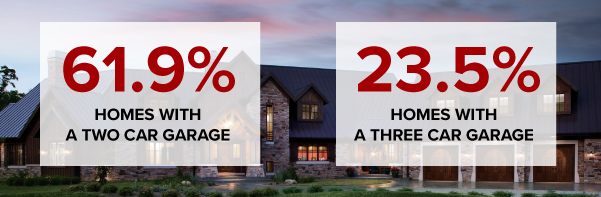
No wonder then that the National Association of Home Builders reports that 61.9% of homes built in 2014 included a two-car garage. Another 23.5% were built with a three-car garage or larger, a significant increase over the 19% found in new homes built ten years earlier.
However, if you are looking to either remodel an existing garage or build a brand new garage as an addition to your home, you likely have a few questions. What is a standard garage size? How about garage door width? What is the size of a single car garage? Is there a standard double car garage door size?
Because of the wide variety of garage sizes, answering these questions is an essential first step for any proposed garage addition or remodel. That’s why we put together this introduction to both custom and standard garage door sizes.
Whether you are interested in figuring out standard single car garage door dimensions, commercial garage sizes or how much space you need for a triple car garage, we hope that this guide with take the mystery out of all of your garage size questions. Because in the end, we want you to have the perfect garage door size for your home or business.
Contact UsTable of Contents
- Standard Garage Door Sizes
- Planning Your Garage Door
- Further Thoughts on Vehicle Sizes
- Standard Car Size Estimates
Standard Garage Door Sizes
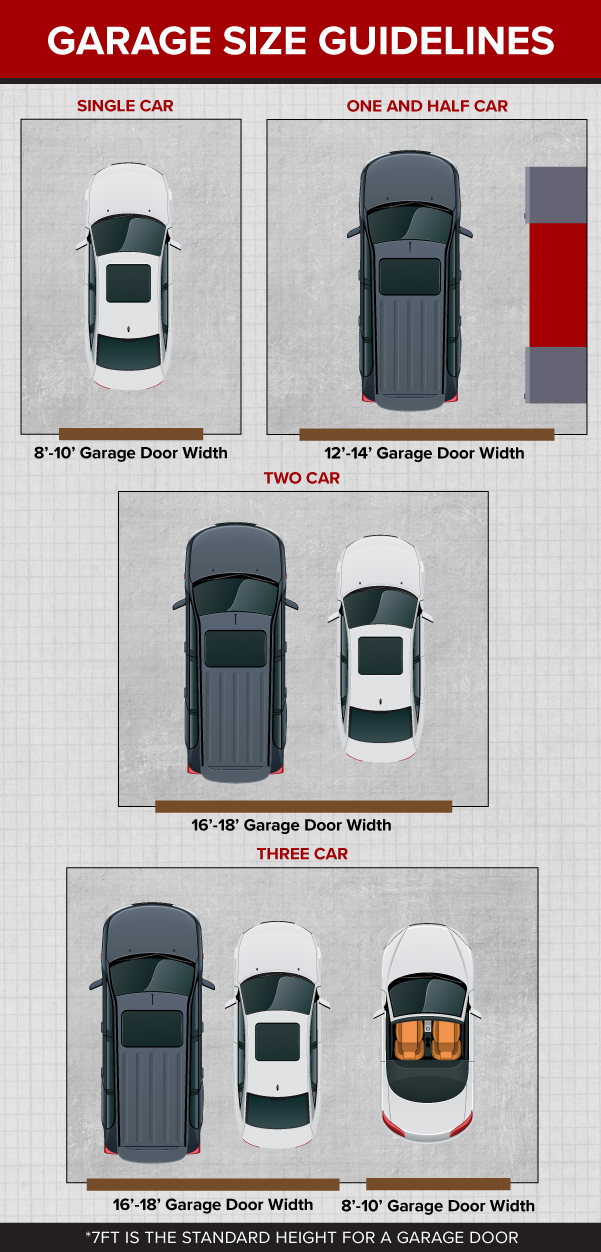
While the numbers of possible garage door sizes are practically limitless, there are standard dimensions for garage doors that are most common in new garage installations. By incorporating a garage door with a standard size, you can avoid the higher costs of door size customizations. With that in mind, here are the most common garage door sizes.
Single Car and 1.5 Garage Door Size: There isn’t just one standard single car garage door size, there are 3. Doors are either 10 x 7, 9 x 7 or 8 x 7 in size. However, keep in mind that an 8 x 7 size door is a tight fit for SUVs, trucks and vans. If you are looking to build a new addition with typical single-car garage dimensions, you will most likely be incorporating either a 10 x 7 or 9 x 7 size door. The 8 x 7 door size is typically only installed when the dimensions of a preexisting a single-car garage make a larger door impossible.
Furthermore, keep in mind that single-car garage doors make parking an RV or an oversized truck nearly impossible. Similarly, even a 10 x 7 door combined with the size of a single car garage will limit the amount of available storage, especially if you have a full-sized car.
In addition, some homeowners prefer a slightly larger 1.5 car garage to accommodate extra storage or recreational vehicles, especially if they don’t have room for a full two-car garage.
Double Car Garage Door Size: Like single car garage size doors, there are a number of standard size doors classified as doubles. The largest can measure 14 x 7, while 12 x 7 size doors are also available.
While these doors are called double doors since they can accommodate multiple cars, many people with large cars prefer to use a double-sized door even if they only intend to park one car in the garage. The same is true for those who are looking to use half of their garage for parking and the other half for storage.
Triple Car Garage Door Size: A full triple car garage door is rare. Most residential three-car garage door owners instead opt for either one double door and one single or three single doors. That way you can keep the rest of your garage closed when parking one car.
However, if you are committed to having one triple-wide door, there are ways to customize your door to meet your needs. This is an especially good option if you have an especially large-sized vehicle that you want to park in your garage.
RV Size Garage Doors: You may have noticed that while the width of standard size garage doors change, their height remains the same: 7 feet. However, those with extra tall RVs often require more headroom than a 7-foot door can provide.
There are a number of oversized standard doors that are made especially for RV owners. The most common door installed by RV owners is 16 x 8. However, keep in mind that these types of doors usually require further architectural accommodation. You may have a hard time retrofitting an existing garage that doesn’t have the required clearance.
Commercial Size Garage Doors: Finally, commercial-sized garage doors come in a very different standard size. That’s because these doors are designed to accommodate everything from moving equipment to a backed-in semi truck.
The typical size for a commercial-style door is 32 x 24. However, you must also take into account the types of trucks that will be regularly docking at your commercial site. While a typical semi-truck will easily match a 32 x 24 size door, there are a number of more specialized commercial trucks that may require another dimension.
If you anticipate typically accommodating standard-sized trucks, but know that you may occasionally need to receive deliveries from a very different sized truck, you should consider installing multiple doors on your dock, with one door being specially designated for the uncommon sized vehicle.
Planning Your Garage Door
Now that we’ve discussed many of the standard sizes, there are several other things that you should consider if you are planning to build a new garage with a new door installation.
Know What You Need: While a good architect or garage door salesperson would never pressure you into purchasing an ill-fitting garage door, know that most garages use a standard size. Because of this, if you don’t make your needs clear from the onset, you may find that you are dissatisfied with the fit of your car or the storage space within your garage.
The most common requirement is a larger size. Today’s pickup trucks are bigger than ever. Even standard-sized SUVs and full-size luxury cars may be a tight fit in the standard 9 x 7 door.
Furthermore, you want to anticipate reasonable future needs. If you do not yet own an RV, but you think you could very likely own one in the near future, you should consider installing a garage door that can accommodate a taller vehicle. If you install a new standard height door and then realize a year or two later that you also want to add an RV to your fleet, you will likely be stuck parking the RV in the driveway, as raising the height of the door could very well be impossible without tearing down the whole garage.
Think About The Whole Garage: You also don’t want to get caught up thinking only about the size of the door. One of the best features of a garage is its versatility. It is a great place for parking your car but it is also a great place to store things.
Consider this scenario: You only own one car, so you assume that you will only need a single car garage. However, you quickly start to fill your garage with other items, such as sports equipment, lawn mowers and other tools. Before too long, you have to choose whether to keep your stuff where it is or make space for your car.
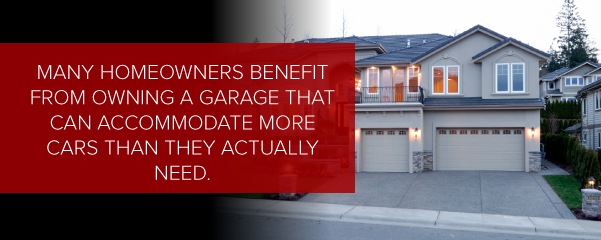
Many homeowners benefit from owning a garage that can accommodate more cars than they actually need. If they are a two car family, they opt for a three car garage. That way, two spots can be used to park cars and the other spot can be used for storage.
This is especially convenient if you plan on storing lawn and gardening equipment in your garage, as most people do. By having a dedicated car port for you gardening equipment, you will find that you can easily access your tools when you need them rather than removing a car just to pull out your mower. Or worse, scratching your car because you are trying to squeeze a weed whacker through a tight spot.
It’s Easier to Make a Door Smaller Than Bigger: Even with the best prior planning, you may find that the size of your door doesn’t match your needs. Reducing the size of your garage door is much easier than expanding it. Structurally, this only requires building in a portion of your garage door opening and then installing the smaller door within the smaller space.
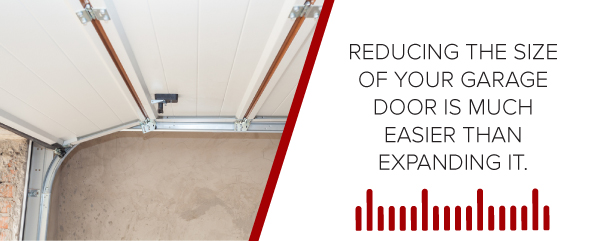
Unfortunately, very few homeowners actually want to have their garage door made smaller. Instead, they come to realize that their small door no longer meets their needs.
The problem is that installing a larger garage door isn’t as simple as cutting a larger hole. Garage doors require at least a foot of clearance above the top of the door. That’s because when the door is opened, it needs space against the garage ceiling to rest or else the inside of your garage will actually be smaller than the opening of the door.
Because of the way garages are designed, they usually aren’t built with space to grow, meaning they only have just as much clearance as is required to fit the original door.
That means if you do want to raise the height of your door, you may need to raise the roofline of your entire garage. If your garage isn’t detached and is built within the main structure of your house, you will likely find raising the roofline to be either impossible or so cost-prohibitive that it isn’t worth the investment.
If your garage is detached, you may find that raising the roofline is worth it, but regardless, it will be far more expensive than getting the taller door installed initially.
Further Thoughts on Vehicle Sizes
While you may agree that planning ahead is good, and making a smart investment is the best path for building your new garage, you may also still be unsure about the best size garage for the specific vehicle you own. To help you get a better sense of how your car may fit in your garage, we thought we would break down exactly how to measure your car and compare that with what other dimensions you’ll need.
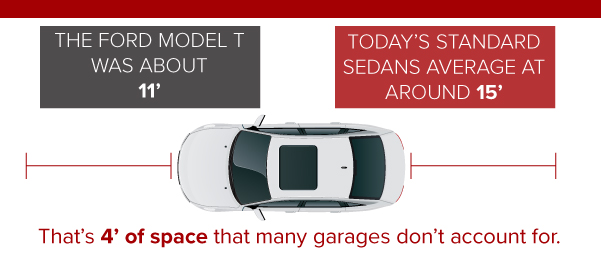
According to Houzz, garage sizes haven’t changed, even as car sizes have. To put this in perspective, they note that the Ford Model T was 134 inches long, about 11 feet. Today’s standard sedans average at around 15 feet. That’s 4 feet of space that many garages don’t account for.
What guidelines should you then use when planning the dimensions of a new garage?
Space Between Cars: Obviously, this only applies to garages that are going to accommodate more than one car. However, keep in mind that with a single car garage, you will have limited space for storage or future growth in your household.
It is recommended that you leave at least 36 inches of space between your cars in order to prevent accidentally denting your other car with your door.
Consider Storage Furniture: If you are planning on using your garage for storage, at least in some capacity, you should also make sure to build storage furniture into your measurements.
Luckily, storage cabinetry for garages is very similar to kitchen cabinetry. Most garage cabinet systems are 24 inches deep, but if you have to work with tighter spaces, you can also find slimmer cabinets that are 12 or 18 inches deep as well.
Consult Your Car Manufacturer: One of the nice things about being a car owner today is that you can skip pulling out a tape measure if you want to know the exact length and width of your car. Just go onto the manufacturer website for your car and pick your exact model and year and you can easily find your vehicle’s specifications, assuming you haven’t made any drastic aftermarket modifications. Don’t forget to include the mirrors in the width measurement!
Once you have the width and length of your car along with the depth of any storage furniture you plan installing while making sure to include the minimum space between cars, you will have the data you need to make an informed garage design decision.
Consult Local Building Codes: While you may have an ideal garage size in mind, you also need to make sure that any future construction is in compliance with local building codes. Historic districts may have a limit on the size of your garage while other zoning codes have specifications on the minimum size allowed.
Don’t Forget the Lawnmower: While some homeowners opt for a storage shed for their lawnmower, many keep theirs in the garage. Depending on the size of lawnmower that you use, you may have a very hard time getting it out of your garage unless you’ve built in an appropriately sized space for it.
This is especially true if you own a riding lawnmower. If you keep your lawnmower against one of the garage walls, getting it out will either require moving your car first or having enough clearance beside your car to move the lawnmower out with the car still parked.
If you are choosing to use one of your available car ports for storage, this is a great place to keep your lawnmower. Even the largest lawnmower designed for home use is much smaller than a car, so you will have plenty of space for storage in front of where you park your mower.
Standard Car Size Estimates
Although you should use the specifications of your car if possible, if you are building a garage that you want to be accommodating for potential future purchases, it may be helpful to have a sense of the average size of cars of various classes.
Vans and SUVs:
These are the largest cars in the typical family fleet. They are usually 6 to 7 feet wide, 16 to 19 feet long and 5 to 6 feet high. Keep this in mind if you are considering the smaller 8 x 7 foot door. A 7 foot wide van will be a very tight fit in one of these smaller entries.
Standard and Luxury Sedans:
While they are not as large as SUVs, these large sedans can still be sizable. Furthermore, while scraping the side of any car is frustrating, scratching a luxury car can be especially costly. These sedans average 6 to 6 1/2 feet wide, 16 to 18 feet long and 4 1/2 to 5 feet high.
Sports and Compact Cars:
At the end of the day, smaller cars are easier to park in a garage of any size. They are usually between 5 to 6 feet wide, 14 to 16 feet long and 4 to 5 feet high.
Frequently Asked Questions on Garage Door Sizes
▼ Besides standard car sizes, what other factors influence the ideal width of a single-car garage door?
Consider the location of your garage relative to your driveway, the storage needs for sports equipment or tools, and the need to easily maneuver grocery carts or strollers in and out. If your garage opens directly onto a narrow driveway, you might need a wider door for easier entry and exit. Also, extra width makes storing bikes or kayaks along the wall less cramped.
▼ What’s a good size if I have a small car and just need basic storage?
If you have a compact car and mainly need your garage for parking with a little extra room for things like bikes or garden tools, an 8-foot wide by 7-foot high (8×7) single garage door is often a good fit. However, if you want more room to move around or might get a bigger car later, consider a 9-foot wide door.
▼ I have two SUVs. What’s the best garage door size for me?
For two SUVs, a 16-foot wide by 7-foot high (16×7) double garage door is a common choice. But to make parking easier and prevent dings, many SUV owners prefer an 18-foot wide door, giving you more space to maneuver.
▼ Should I get a taller garage door if I have a truck, or am planning to get one soon?
Yes, if you own a truck or are planning to buy one, it’s wise to get a taller garage door. While 7-foot high doors are standard, an 8-foot-tall door provides extra clearance for roof racks or lifted suspensions. This prevents damage to your truck and allows for more headroom when the door is open.
Local Garage Door Installation and Design Planning
If you are in the Greater Spokane Washington or Northern Idaho areas, there is no better place to turn for garage door repair and installation than Continental Door Company.
We offer a wide selection of residential doors in every standard size, as well as commercial and industrial garage doors. So regardless of your design tastes or proposed configuration, you are sure to find what you need with us. Furthermore, we are experienced with custom door fabrication, meaning that even if you have specific needs that cannot be met with factory standard doors, we can take care of you.
Regardless of what design you choose, whether you are opting for a factory standard door or a custom made one, you can trust in our quality. We know how important our work is for the people of Spokane, whether they are business or homeowners.
Whether you are looking to build a whole new garage or simply want to give your existing garage a facelift, contact us for a free estimate. Even if you are still trying to figure out exactly what your garage plans are, our professional staff are able to assist you with any measurements or planning, helping to make your job easier.
Request An EstimateView Our Guide to Understanding Garage Door Sizes
Transcript:
“Hi, Derek with Continental Door here, and today I’m going to go over door sizes. So you’ve got a one car garage — a single car garage — which is over here, and that’s defined off the width. It can be anywhere from as small as seven, eight, nine, or ten feet. This one over here is a ten wide, that’s a single car, and then a car and a half garage is something that is in between there. It’s not quite a two car, like over here — an eighteen by eight, it’s a twelve or a fourteen or something in between where it’s kind of a car and a half, it’s not quite a one car or a two car. A two car garage is anything greater than sixteen or eighteen [feet] that you can park two cars in. Thank you for watching! For any questions, please feel free to call us or check us out online.”
Request Information About Garage Doors
Updated: 05/22/2019
Why Insulate a Garage
Why Insulate a Garage
While many people understand the importance of a high-functioning, aesthetically appealing garage door, few think about the garage door insulation. There are many reasons to make sure your garage is better insulated, but one of the most important is energy savings.
Using Your Garage as a Workspace
Not everyone heats their garage, but there are certain situations where it might be necessary. For example, if part of your garage doubles as a workspace, having heat in the garage is vital so you can continue working even in the cold.
Garage Storage
The garage often is used for storage of items, some of which aren’t meant to be exposed to extreme temperatures. Often the answer is to store these items elsewhere, but adding more insulation to your garage can at least help reduce extreme temperature fluctuations.
Losing Heat Through an Interior Door
If you have an interior door leading from your garage into your house and it is opened frequently, the garage can become an extension of your homes interior. By adding insulation, you increase the efficiency of your entire home.
Adding an Insulated Garage Door
One of the best ways to insulate your garage, is by replacing your current garage door with an insulated model. An insulated garage door can even pay for itself with the money you save in energy costs.
For customers in the Greater Spokane area, Continental Door Company offers a variety of functional and attractive insulated garage doors that can keep heat in and protect your garage’s interior from the elements. To learn more about insulated garage doors contact us for a free estimate today!
What Are Garage Doors Made Of?
What Are Garage Doors Made Of?
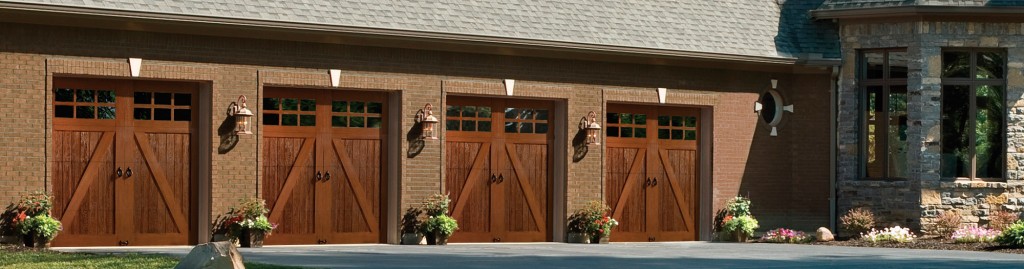
Your garage door is an important part of your home. It protects your house from the outside world and it’s part of your home’s overall exterior look, meaning it’s a big factor when it comes to curb appeal. As important as the function and appeal of your garage door is, you may not give much thought to what it’s actually made of.
But that can be an important factor, too. What is yours made of and is it the right material for your lifestyle? To learn more about the different types of garage doors and help you decide which one might be right for you, read on.
Types of Garage Doors
Wood
Wood is the classic garage door material. A wood garage door aesthetically fits in with the external appearances of most homes, and wood doors are sturdy. While a wood door can take a considerable amount of punishment, it also needs refinishing and repainting often to look its best over time. If you purchase a wood garage door from Continental Door Company, you can opt for paint or stain-grade wood, factory primed or finished painted. Available woods for garage doors include Hemlock, Cedar and Redwood.
Steel
Steel is a nice low-maintenance, low-cost alternative to wood. They’re also slightly more durable that wood. You may even be able to get one with a lifetime warranty. They don’t chip — although the paint may — but they can dent, and any scratches need to be handled quickly or the area can rust. Continental Door Company offers a number of appealing steel door designs, including flush panel doors, grooved panel doors, flush doors with windows and grooved doors with windows.
Aluminum
A good aluminum door is lightweight, dent-resistant, rustproof and highly durable. They seem like a perfect solution, but they are also pricier. Still if durability is critical to you, it may be worth the investment!
Contact Continental Door for More Information
If you are in the Greater Spokane area, and looking to make a change to your garage door, contact Continental Door Company today. You’ll find a wide range of door materials and styles, including many attractive wood, steel and aluminum doors. If you’d like to learn more about how cost-effective it is to replace your existing garage door, request a free estimate.
Contact Us